Phone:
(701)814-6992
Physical address:
6296 Donnelly Plaza
Ratkeville, Bahamas.

Phone:
(701)814-6992
Physical address:
6296 Donnelly Plaza
Ratkeville, Bahamas.
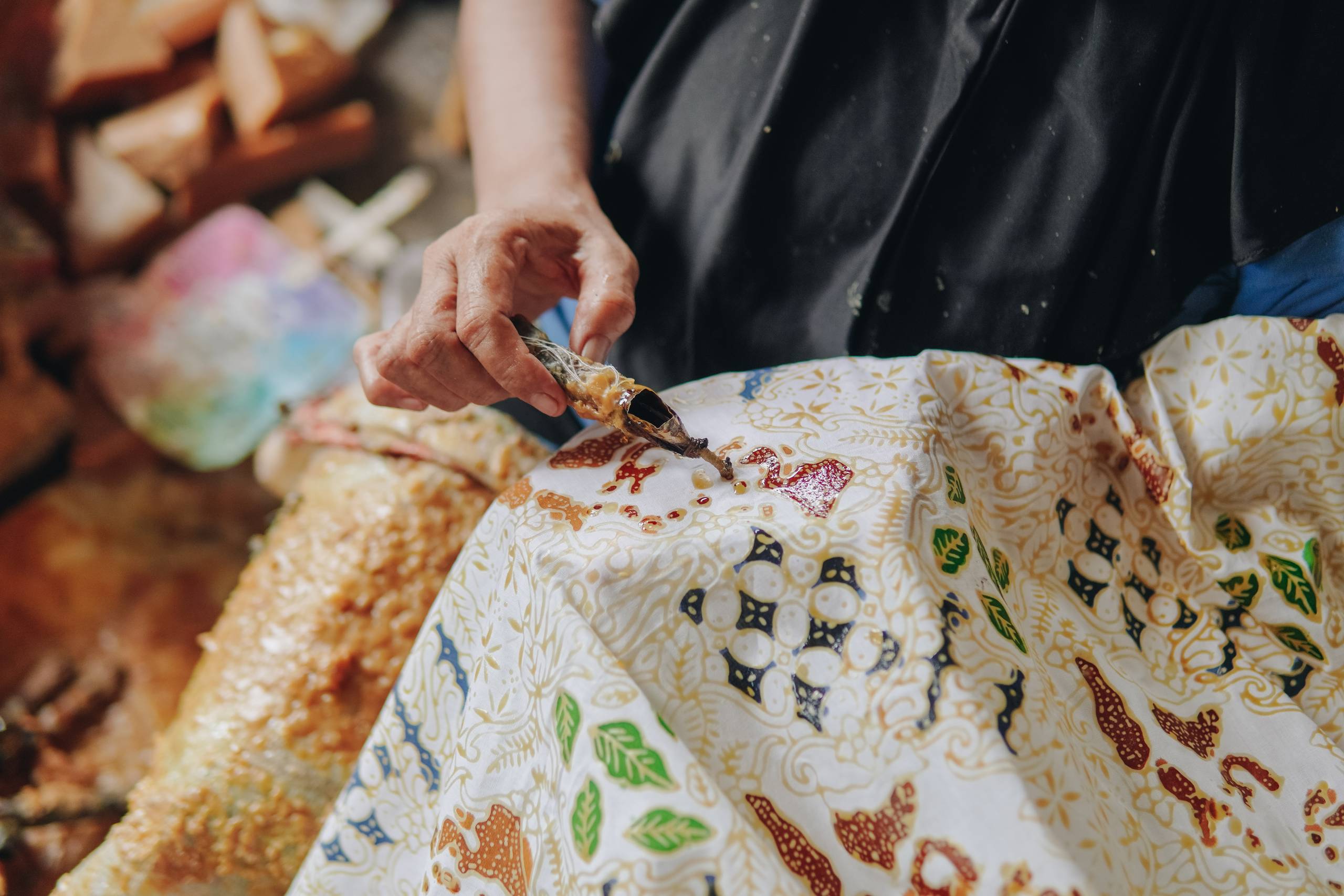
In most color mediums, color is applied directly on the surface of the paper or canvas. Fabric is different. Color seeps into the fibers of the fabric, travels irregularly, and can look significantly lighter after it dries. Without some discipline, the best color planning can turn muddy or overwhelming. Discipline does not have to mean constraint. It means understanding how color works within the framework of a textile design.
Learning to use color on fabric You can start by resisting the temptation to use too many colors at once. The contrast shows up more on textiles than on other surfaces, and too many different colors can be overwhelming. Instead, try out a few colors and see how they look when they are repeated in the design. Test their strength and their transparency. Try layering colors to see how they blend. Such repetition provides stability and is much more effective than using a lot of different colors at the same time.
Color and pattern If you are working with a pattern that repeats, an unbalanced color can overwhelm the entire project. What might not be noticeable as an individual motif can become glaringly apparent when it repeats. Discipline enables you to assign a specific function to each color in the project. You may use a color to establish structure, create emphasis, or provide rhythm. Without that discipline, it is easy to let colors fight with each other for attention.
Learning to wait Learning to wait is another part of color discipline. Fabric needs time to settle and dry, and colors will shift during that time. If you move too fast, you can forget that process and end up with unintended results. Let each color inform the next. Then you will have a much better idea of how they will interact. Patience also allows you to observe your project. It is easy to impose your intent on a piece of fabric, but patience lets the fabric talk back to you.
The end result of discipline Discipline enables you to master color and achieve consistent results. You are no longer just playing a game of chance. Instead, you develop the confidence of understanding how color works. Over time, you will find that your colors seem more intentional and interconnected. That is what enables a pattern to endure and retain its beauty over time.